Ledger Login: Accessing Your Hardware Wallet Securely
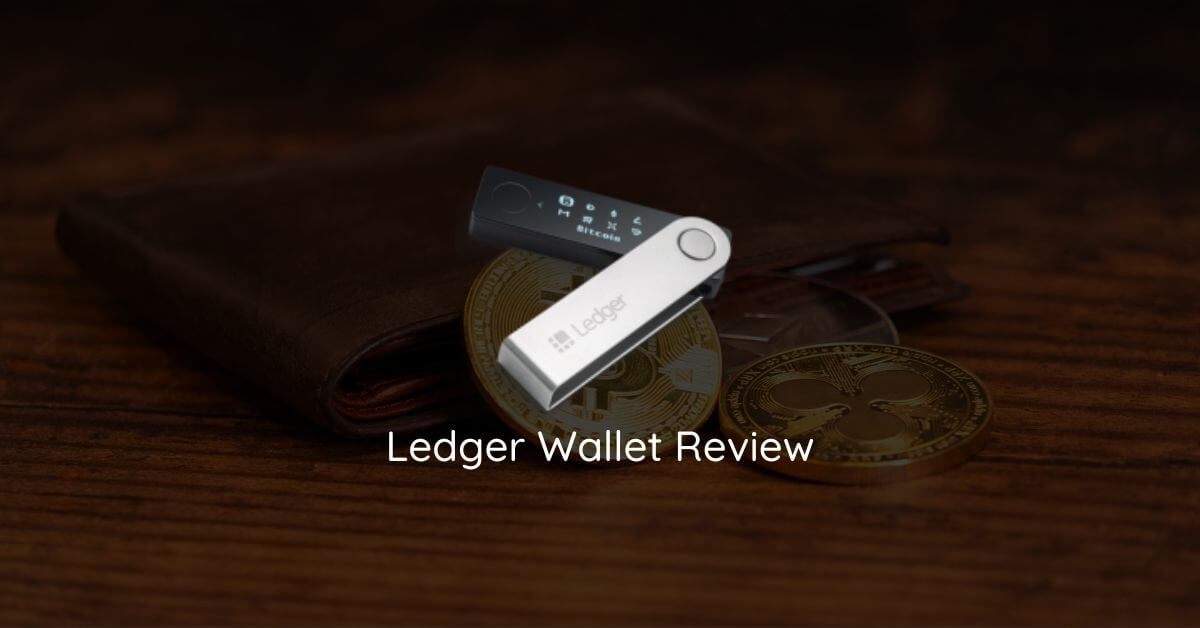
This focused guide explains how to log in to a Ledger hardware wallet, secure the authentication flow, and troubleshoot common errors. It covers both Ledger Live and direct device access while highlighting best practices so you keep private keys and recovery phrases safe.
1. What “Ledger login” means
A Ledger device does not use a traditional username/password login. Instead, “logging in” refers to opening Ledger Live (the desktop or mobile app) or connecting the device to a compatible wallet, unlocking it by entering your PIN on the physical device, and authorizing operations. The PIN unlocks your device; the recovery phrase is used only for recovery, not day-to-day login.
2. Step-by-step: Unlocking your Ledger
- Install or open Ledger Live on your computer or phone.
- Connect the Ledger device via USB (or Bluetooth for Nano X) and wake it by pressing a button.
- Enter your device PIN directly on the device screen. The PIN is required every time the device powers on.
- Open the app for the cryptocurrency you want to manage on the device (e.g., Bitcoin app) and confirm the request on the device when prompted.
Security tip: Always enter your PIN and confirm transactions on the device's screen — never type it into your computer or let remote tools request it.
3. Logging into Ledger Live (desktop/mobile)
Ledger Live itself opens without a password, but you should protect the operating system account and the app with a secure password or OS-level authentication. After connecting and unlocking your device, Ledger Live will detect the device and show account balances. For additional safety enable Ledger Live’s passphrase or use a strong OS account password and disk encryption.
4. Passphrase vs. PIN vs. Recovery Phrase
- PIN: Short numeric code to unlock the device. Entered on-device only.
- Recovery phrase (24 words): Backup of your seed — never enter into apps or websites. Used only to restore on another hardware device or a compatible wallet.
- Passphrase (optional): Extra word or phrase that derives a different wallet from the same seed. Treat it like an extension of the recovery phrase — losing it means losing access to those derived accounts.
Never share your recovery phrase or passphrase. If someone obtains both your recovery phrase and passphrase, they can restore and control your funds.
5. Common login problems & fixes
- Device not recognized: Check cable, USB port, and that Ledger Live has the latest version. Reboot device and computer.
- PIN forgotten: If you forget the PIN, the device will wipe after successive wrong attempts. Restore using your recovery phrase on a new Ledger or compatible wallet.
- App not opening: Ensure the correct cryptocurrency app is installed on the device via Ledger Live’s Manager.
- Bluetooth pairing issues (Nano X): Forget pairing on both phone and device, then re-pair from Ledger Live mobile.
6. Troubleshooting checklist
- Confirm Ledger Live is up-to-date.
- Update device firmware when prompted (only via Ledger Live).
- Try a different USB cable or port (use a data cable, not power-only).
- Make sure OS drivers are installed on desktop (Windows driver prompts may appear).
7. Best practices before and after login
- Use a dedicated, malware-free computer for high-value operations.
- Keep Ledger firmware and Ledger Live updated to receive security fixes.
- Store your recovery phrase offline, in a secure physical location (steel backup recommended).
- Enable device timeout and lock features to reduce risk if lost or stolen.